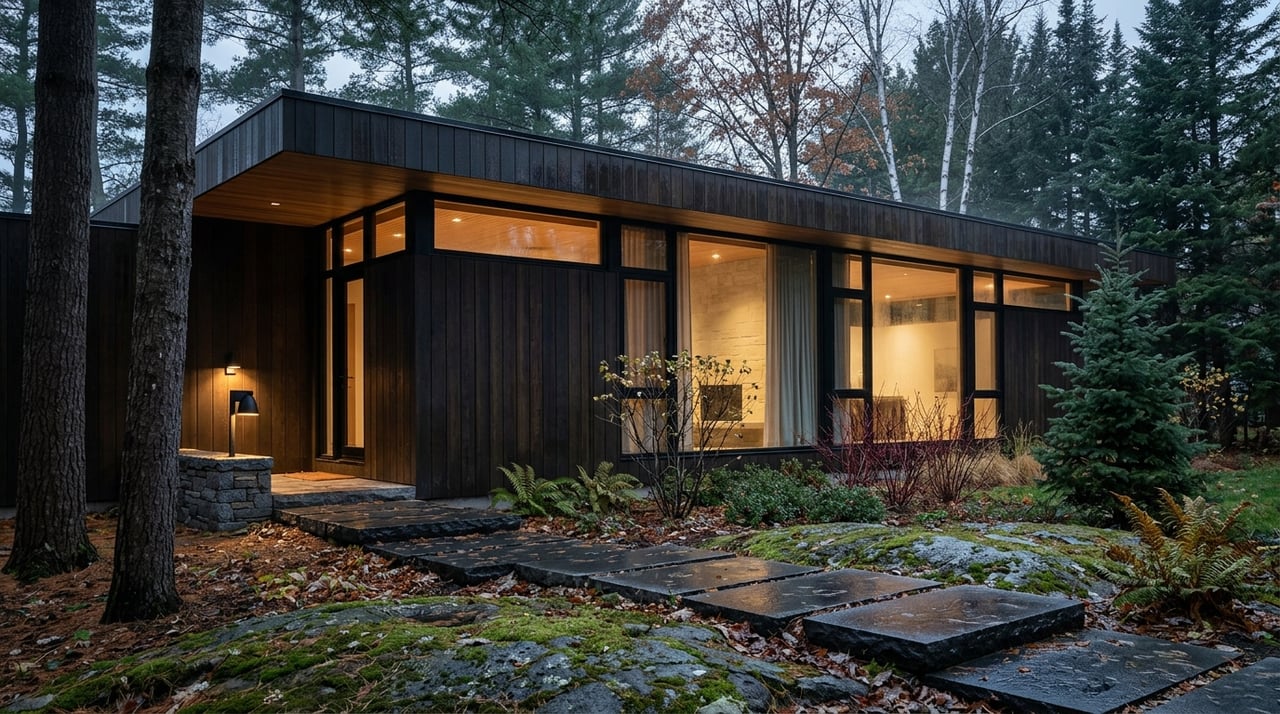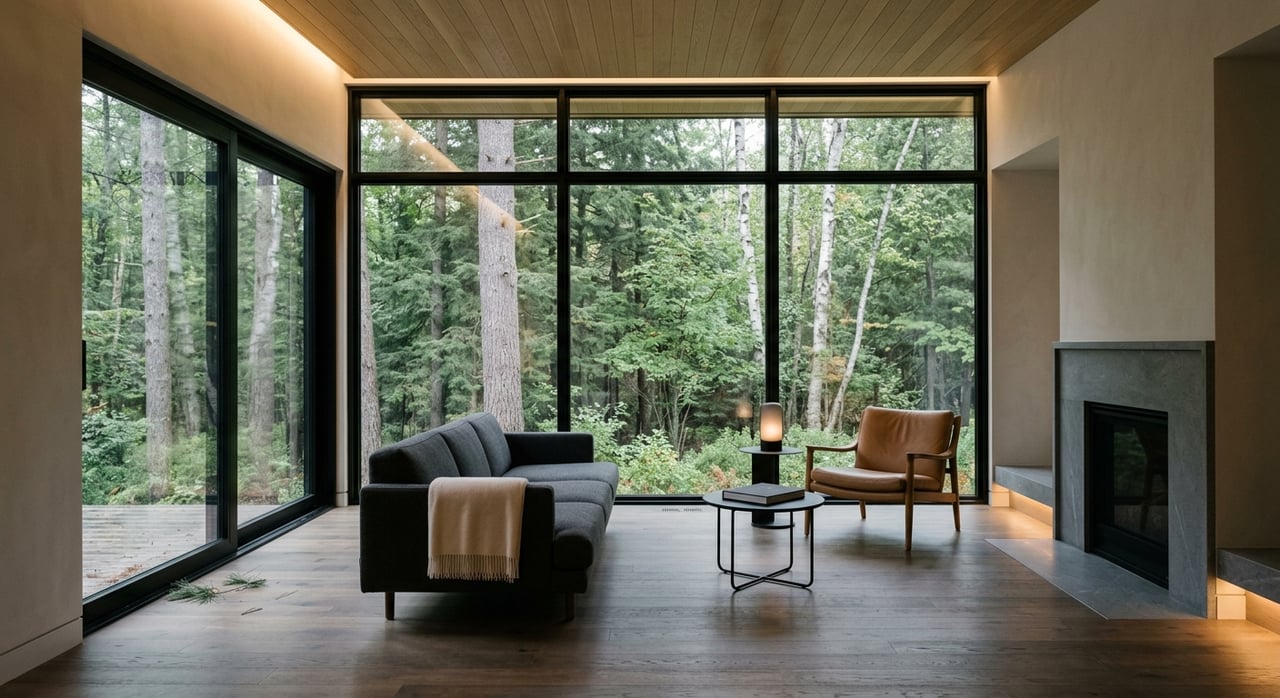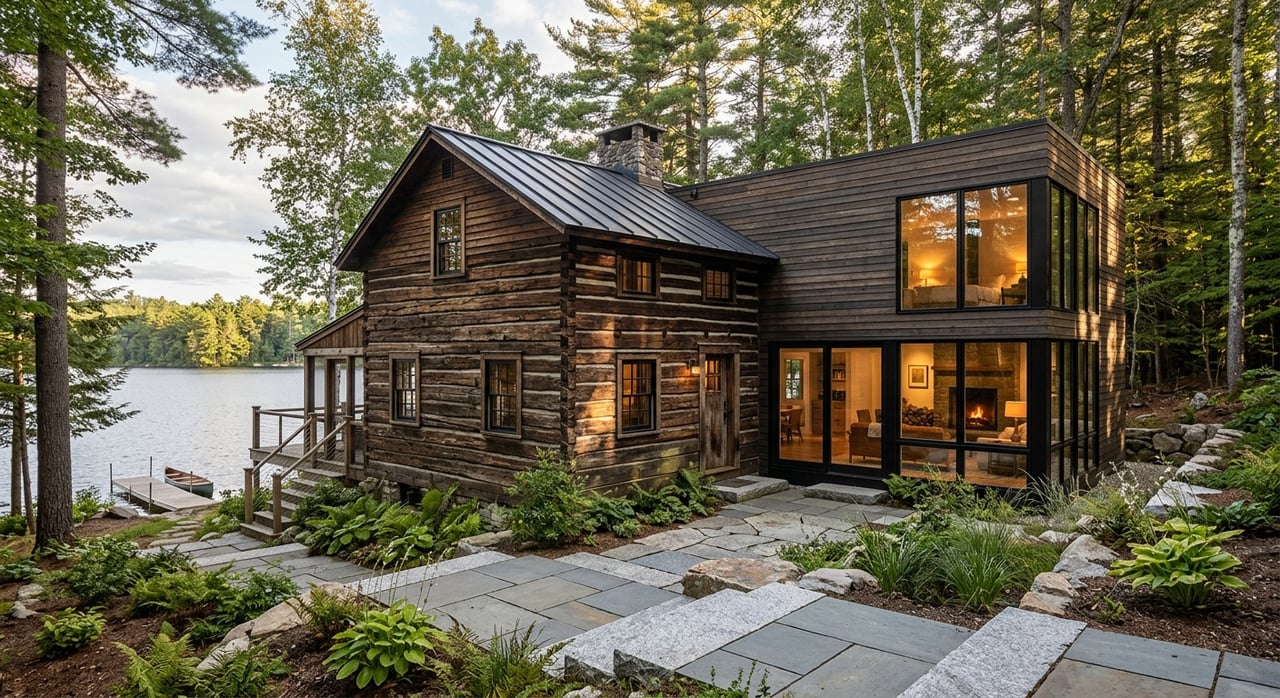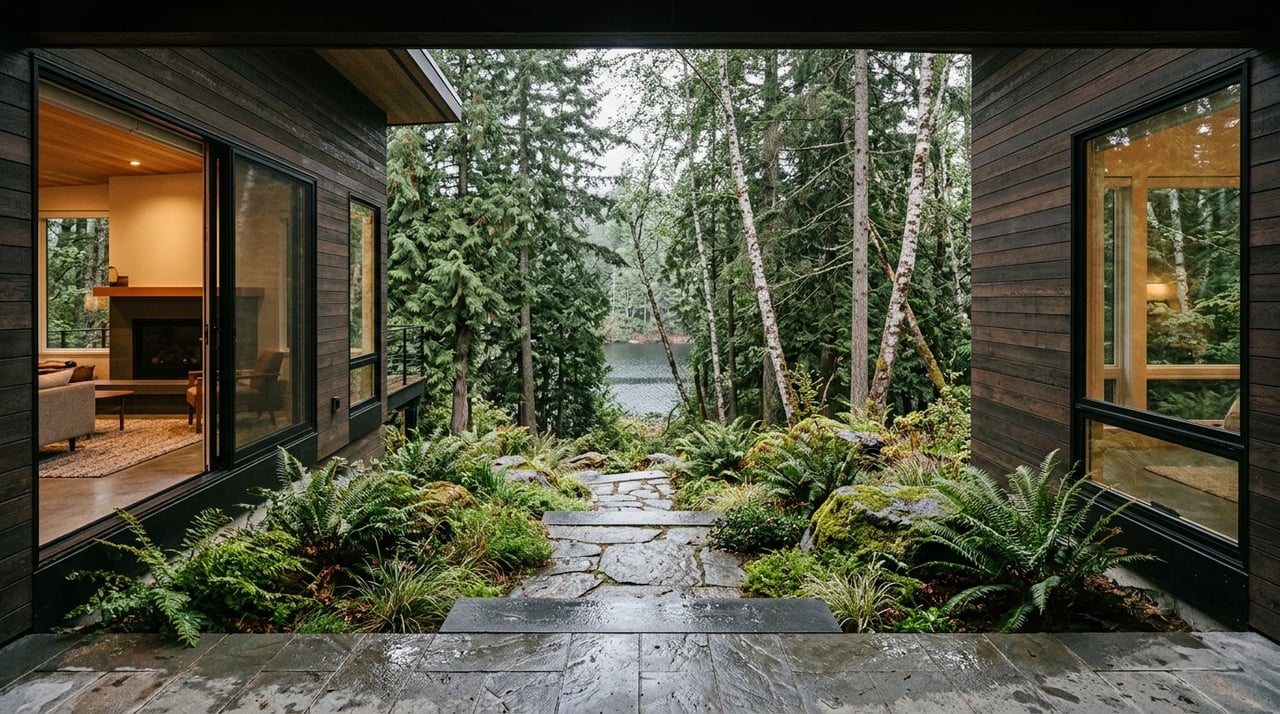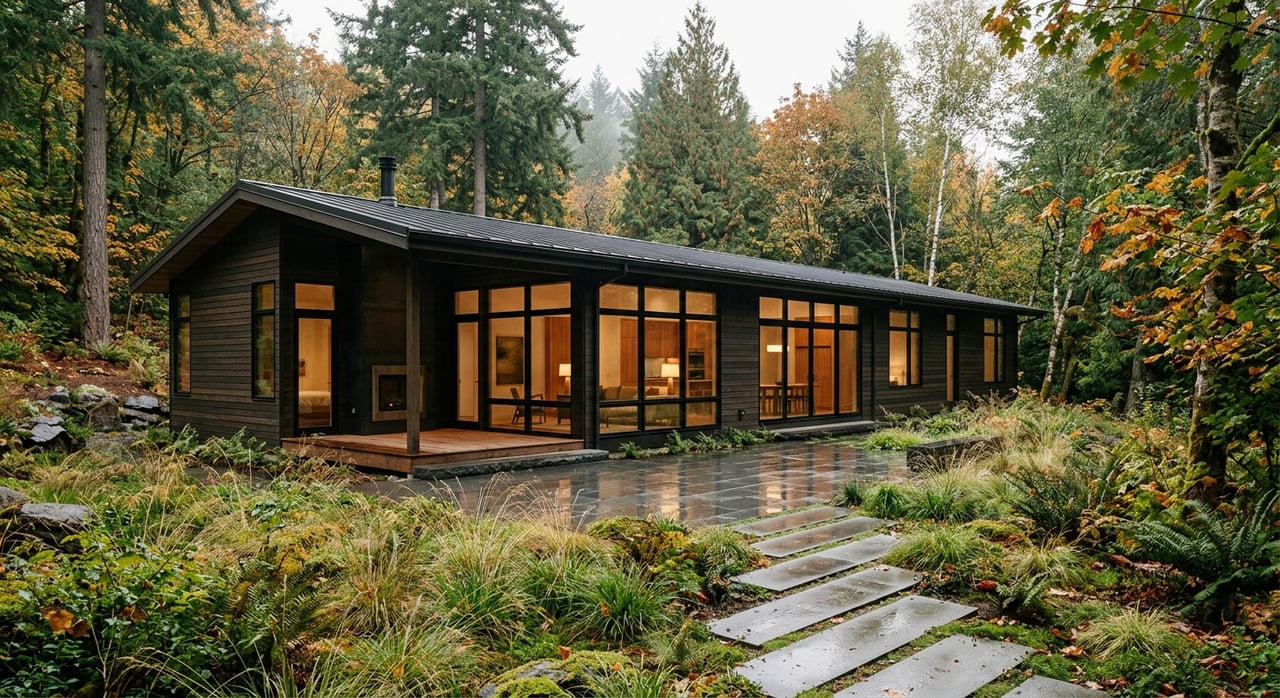
What turns a memorable Haliburton getaway into a serious ownership plan? Often, it starts when you realize your favorite weekends are giving you more than rest. They are showing you how you want to live. If you have stayed in cottage country and started wondering what it would take to own here, this guide will help you look past the vacation glow and evaluate Haliburton like a buyer. Let’s dive in.
Why Haliburton Inspires Ownership
Haliburton County is built for this kind of transition from guest to owner. It sits about two hours north of the Greater Toronto Area, spans just over 4,000 square kilometres, and is known for more than 500 lakes. According to Haliburton County, the area has 20,571 permanent residents, a seasonal population above 45,000, and 53.91% of dwellings are seasonal.
Those numbers matter because they shape how the market feels. Haliburton is not just a place people visit. It is a place many people test first as guests, then revisit with ownership in mind. That seasonal rhythm makes the move from short stay to long-term plan especially common here.
The visitor experience is also becoming more formalized. The county promotes tourism through the official Haliburton Highlands visitor resources, and a municipal accommodation tax for overnight accommodations and short-term rental stays took effect on October 1, 2024. If you are thinking beyond your next weekend, it helps to understand that tourism, rentals, and ownership already connect closely in this market.
Treat Your Stay Like Buyer Research
A great cottage weekend can tell you a lot, but it cannot tell you everything. In a strongly seasonal market like Haliburton, one sunny summer stay is rarely enough to judge whether a property or even a lake fits your long-term plans.
The smarter move is to revisit in different conditions. Come back when the roads are quieter, when the lake is busier, and when the weather is less forgiving. County planning and local guidance around seasonal conditions and flood awareness suggest that spring and shoulder-season visits can reveal things that summer weekends hide, including how an area feels when water levels, access, and traffic patterns change.
This is where your mindset needs to shift. As a guest, you notice the view and the dock. As a buyer, you start noticing the road in, the grade to the water, the shoreline condition, and what the neighborhood feels like on an ordinary day.
Start With Access and Lake Use
One of the first questions to answer is simple: how do you actually use the lake, and how do others use it too? During a stay, it is easy to focus only on your rental property. Ownership requires a wider lens.
A helpful place to start is the Highlands East map of beaches, water access points, and boat launches. Tools like this can help you understand whether a lake has more public-facing access, more private character, or a mix of both. That can influence everything from summer activity levels to your sense of privacy.
Access also matters on land. The county notes that driveway and entrance permissions may depend on whether access comes from a township road, county road, or provincial highway. That means a property that feels easy to reach as a guest may still need careful review if you are thinking about future changes or improvements.
Compare Lakes, Not Just Listings
In Haliburton, two properties can look similar online and live very differently in person. That is often because lakes have distinct personalities.
For example, Haliburton Lake is described by its cottagers’ association as a 2,550-acre lake with clear, deep water, a rocky base, two public boat launches, and a public waterfront park and beach. The association also supports shoreline naturalization and navigation markers, which points to an active stewardship culture alongside recreation.
Kawagama Lake highlights a somewhat different ownership conversation. Its cottagers’ association focuses on lake plan management, boating initiatives, environmental awareness, planned development, and water-level monitoring. That is a good reminder that water levels, dock usability, and shoreline exposure can vary meaningfully from one lake to another.
When you move from guest to owner, try to compare lakes based on the details that shape daily use:
- Public access points and boat launches
- Water-level behavior
- Shoreline character
- Lake stewardship activity
- The balance between recreation and privacy
A beautiful waterfront setting is only part of the story. The real fit comes from how the lake behaves over time.
Put Water on Your Due Diligence List
In cottage country, water is both the lifestyle feature and one of the most practical ownership questions. You want to understand the swim experience, but you also need to think about drinking water and ongoing maintenance.
The local public health agency, HKPR District Health Unit, tests public beaches during the summer. It also recommends that private well owners test drinking water at least twice a year and notes that bacteria testing is free of charge. For buyers, that means water quality should be part of your checklist long before closing.
If you are staying in the area and starting to explore ownership, pay attention to what water use feels like in real life. Ask questions about wells, water testing history, and how the property functions in different seasons. These are practical details, but they shape your experience just as much as the view from the deck.
Understand Shoreline Rules Early
Many buyers assume the shoreline they see is the shoreline they fully control. In Haliburton, that assumption can create problems.
The county’s Shoreline Preservation By-law applies to lands 20 metres inland from the high-water mark in Algonquin Highlands, Highlands East, and Minden Hills. The county also notes that some shore road allowances remain municipally owned unless they have been purchased by the waterfront owner.
That matters if you are imagining changes like a path, retaining wall, grading work, vegetation clearing, or other waterfront improvements. It also matters for timing. The county states that if a shore road allowance must be purchased, building permit issuance can be delayed until the ownership transfer is complete.
This is one of the biggest differences between renting and owning. As a guest, the shoreline is part of the setting. As an owner, it becomes part of the legal and planning review.
Check Septic, Well, and Site Limits
Some of the most important cottage questions are not obvious during a weekend stay. Septic capacity, well placement, setbacks, and site constraints can all affect how you use the property now and what you can do later.
In Highlands East, septic permit applications or reviews are required for new systems, renovations, additions, and bunkies that count as an extra bedroom. Required site plans must show features such as the well, septic, setbacks, high-water mark, and topography. The research notes also indicate that Minden Hills requires setback information from waterbodies and septic systems on permit drawings, and driveway approval depends on road class.
If you are picturing future updates, these details matter early. A bunkie, extra bedroom, renovation, or even a revised site layout may depend on systems and setbacks that are not visible in listing photos.
Do Not Assume Rental Flexibility
Many buyers like the idea of personal use now with rental options later. That can be a smart strategy, but only if the property and municipality support it.
In Highlands East, short-term rental rules require licensing for stays under 28 days. The by-law calls for insurance, a site plan, a fire plan, proof of septic maintenance, proof of ownership, and codes of conduct. It also ties licensing to shore road allowance and encroachment status.
Layer that with the county’s accommodation tax framework for overnight accommodations and short-term rental stays, and the message is clear: rentability needs to be verified, not assumed. If rental income is part of your ownership plan, it should be part of your property search criteria from day one.
A Smarter Path From Guest to Owner
The most successful buyers in Haliburton usually do one thing well. They slow down just enough to replace emotion with structure.
That does not mean ignoring the feeling that brought you here. It means testing it. Revisit the lake in more than one season. Compare access, shoreline status, and permitted use before you fall in love with a floor plan. Ask practical questions about water, septic, road access, and rental rules before you write an offer.
Haliburton can be an incredible ownership market because the lifestyle is real. But the best purchases happen when your guest experience is paired with local, property-specific due diligence.
If you are starting to think seriously about making the move from weekend guest to cottage owner, working with someone who understands both the lifestyle and the practical side of buying here can make the process far more focused. When you are ready to explore Haliburton with a sharper ownership lens, connect with Ryan Harkin for a thoughtful, locally informed approach.
FAQs
Is one Haliburton vacation enough to choose a lake?
- Usually not. Because Haliburton is highly seasonal, it helps to visit in more than one season so you can compare access, activity levels, and weather-related conditions.
What should I check first when buying a Haliburton cottage?
- Start with access, shoreline status, permitted use, septic, well details, and whether the property has any shore road allowance or permit-related issues.
Can every Haliburton cottage be rented short term later?
- No. Short-term rental rules vary by municipality, and licensing may require insurance, septic documentation, ownership proof, site plans, and other approvals.
Why do shoreline rules matter for Haliburton cottage buyers?
- Shoreline rules can affect vegetation removal, grading, retaining walls, access improvements, and whether additional approvals are needed before future work can happen.
How can a guest stay help with buying in Haliburton?
- A stay can help you evaluate lake feel, privacy, access, and seasonal use patterns, but it should be paired with municipal, health, and property-specific due diligence before you make an offer.