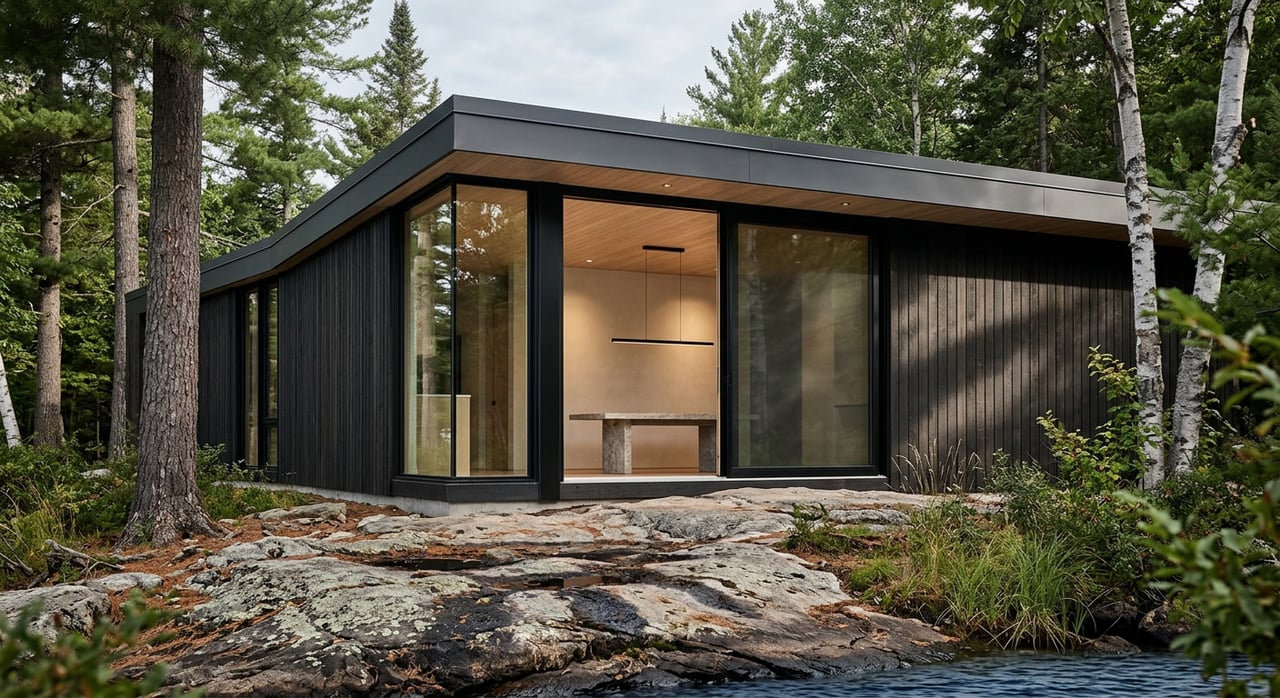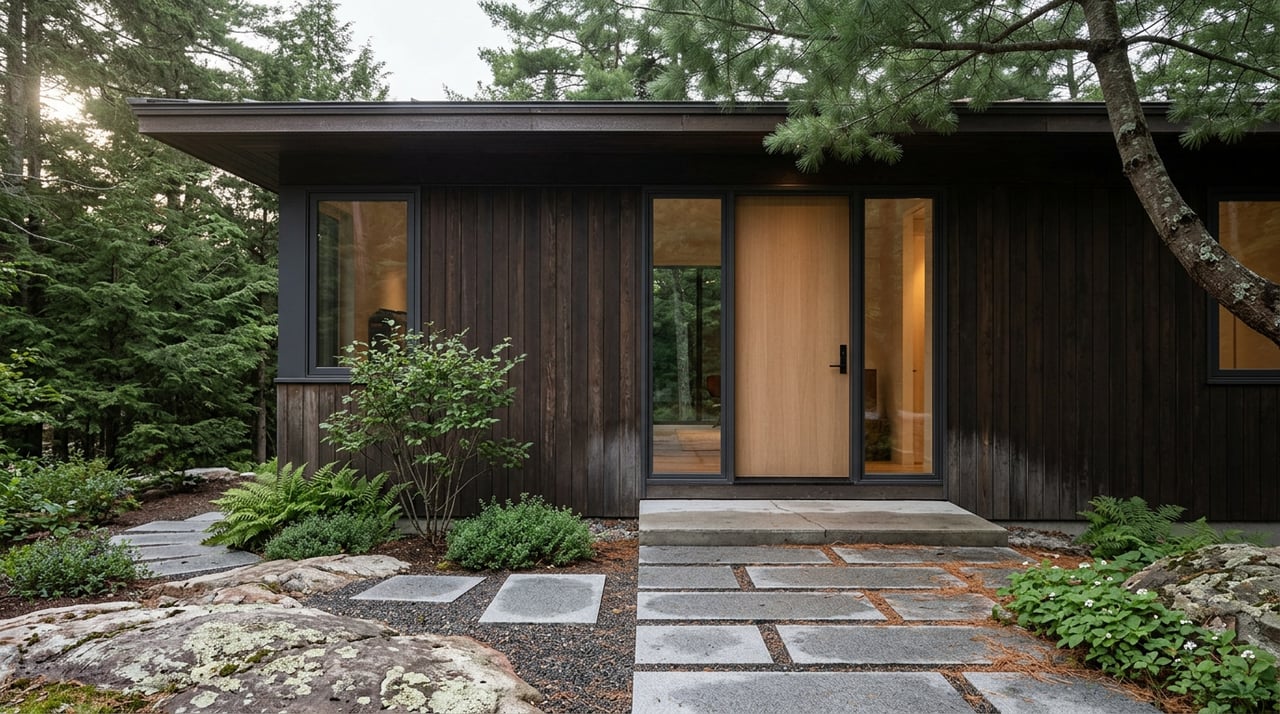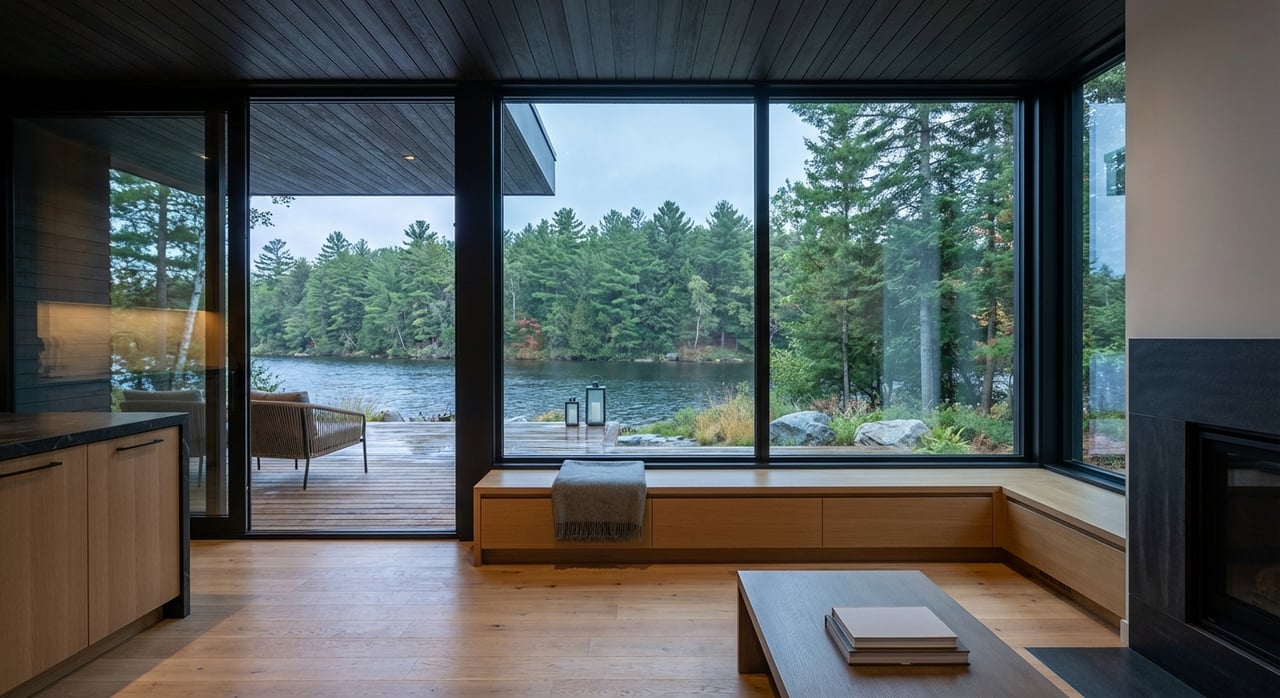
Dreaming of a cottage that works as well in February as it does in July? In Haliburton, that takes more than a pretty lake view and a spare bedroom. You need a home that can handle snow, slush, wet towels, Zoom calls, weekend guests, and shifting weather with less stress and more comfort. If you are planning a new build, renovation, or search for the right property, this guide will help you think through the design choices that matter most. Let’s dive in.
Start With Four True Zones
A four-season Haliburton work-play cottage works best when the layout is clear, not just large. One of the smartest ways to plan it is by dividing the home into four zones: arrival and gear drop, gathering, sleeping, and quiet work.
This approach helps you manage real cottage life. On the same weekend, you might have snowy boots at the door, a laptop open for a morning call, guests arriving for dinner, and damp gear drying after a trail walk or paddle. In a region built around year-round trails and recreation, a cottage should support all four seasons, not just peak summer.
Make Arrival Easy
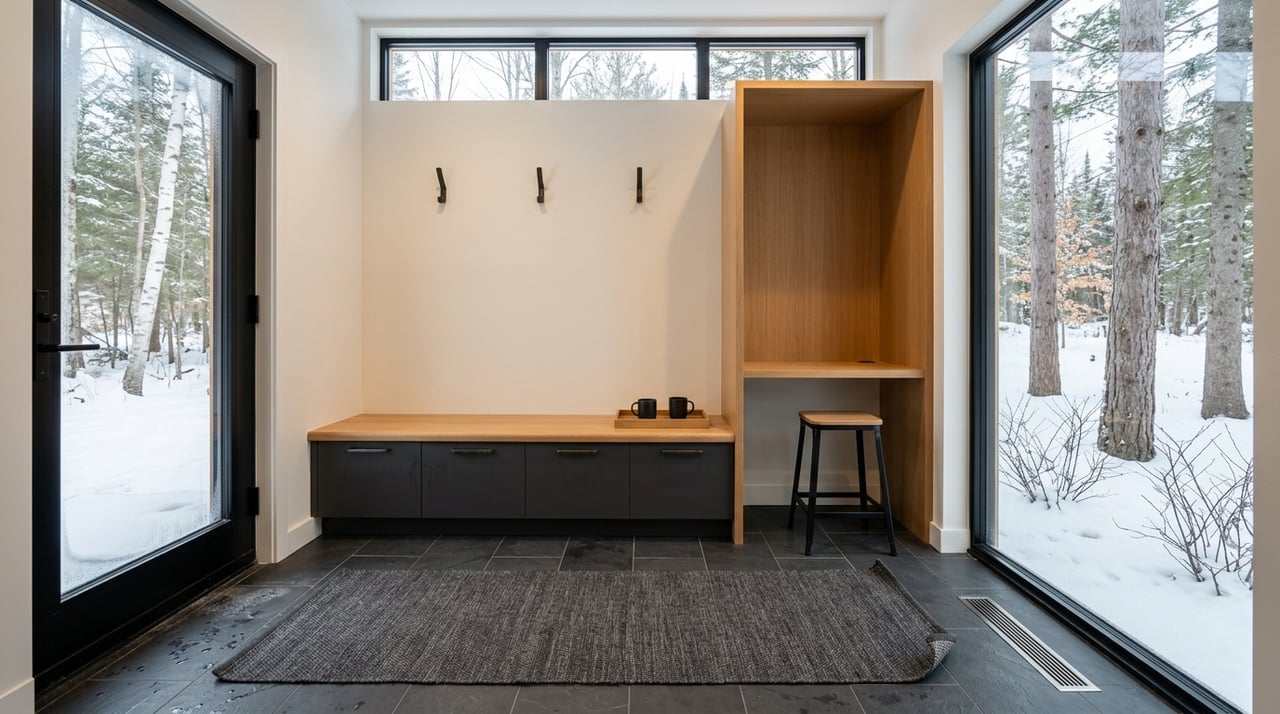
Your entry should act like a buffer between the outdoors and the main living space. In Haliburton, that means planning for boots, coats, gloves, swimsuits, and bags before they spread across the cottage.
A functional entry zone can include:
- A bench for taking off boots
- Hooks for jackets and wet layers
- Closed bins for hats, gloves, and seasonal gear
- Boot trays or durable shelving
- A dedicated place to dry wet items
This kind of setup is not just about tidiness. It also helps with moisture control, which matters in any home and especially in a cottage with frequent guest turnover, cooking, bathing, and wet gear. CMHC notes that moisture can come from daily activities and from leaks or water entry, and recommends keeping the home dry and well ventilated.
Keep Gathering Spaces Open
The gathering zone is where the cottage earns its keep. This is your kitchen, dining, and living area, where people naturally spend time after a day on the lake, trail, or snowmobile route.
Open-concept living still works well here, but it helps to keep traffic flow in mind. If every path to the bathroom, office, and bedrooms runs through the main room, the whole cottage can start to feel busy fast. A better layout gives the shared spaces openness without making them the hallway for every other function.
Protect Quiet Spaces
Sleeping areas and work areas should feel separate from the social core. Guest bedrooms tend to work best near a bathroom and away from the kitchen and living room, while a home office benefits from daylight and privacy without sitting in the middle of the cottage's traffic flow.
If you are considering a loft, den, or flexible room, it should still be able to close off acoustically. A space that looks good on a floor plan but cannot handle a work call or a sleeping guest often creates more friction than flexibility.
Design for Mud, Snow, and Moisture
In Haliburton, moisture is a design issue all year long. Winter brings snow and slush. Spring brings mud and runoff. Summer means wet towels, lake gear, and humidity. Fall can bring rain and damp gear from trail weekends.
That is why durable finishes matter. Washable fabrics, easy-clean flooring, and storage that hides seasonal clutter can make day-to-day use much easier. Mats that catch sand and slush near entries also help protect the rest of the home.
Ventilation Supports Comfort
Good ventilation is part of a healthy four-season cottage. CMHC explains that an HRV can bring fresh air into the home without losing heat, which can be especially helpful in a tightly built or renovated cottage.
That is worth thinking about early in the design process, not as an afterthought. Ventilation, drying space, and material choices all work together.
Create a Better Entry Envelope
Even the front door placement can make a difference. NRCan notes that heat loss through doors can be reduced by locating the door out of prevailing winds or by adding a windbreak such as a porch or vestibule.
In practical terms, that supports the case for an enclosed entry, mudroom, or covered porch in Haliburton. These features can improve comfort, reduce drafts, and give you a real place to manage messy transitions between outdoors and indoors.
Build the Office for Real Use
If your cottage has a work-play brief, the office should be planned like a true destination, not a leftover corner. A good workspace supports focus while still fitting the relaxed rhythm of a second home.
The best location is usually somewhere with natural light but away from the busiest paths in the home. That could be a small dedicated office, a den with a door, or a flexible room that can shift between work and guests.
Dedicated Room or Flexible Space?
There is no single right answer, but there is a useful test: can the space close off visually and acoustically when needed? If the answer is no, it may not serve you well for either work or guests.
Features worth considering include:
- Pocket doors for separation without wasted swing space
- Built-in desks or shelving
- Expandable furniture for dual use
- Layered lighting for screen work and evening use
- Storage that keeps work items out of sight on weekends
The goal is not to make the cottage feel corporate. It is to let you move smoothly between productive weekdays and relaxed hosting.
Prioritize Envelope and Mechanical Upgrades
If you want a cottage that feels comfortable in winter and manageable year-round, the biggest gains often come from what you do not immediately see. CMHC identifies insulation, windows, doors, roofs, attics, air sealing, and foundation work as key building-envelope upgrades. The same source also points to HVAC and heat pumps as important mechanical improvements.
That is especially relevant in Haliburton, where climate normals show a major seasonal swing, with a January daily average of -10.1°C and a July daily average of 18.8°C, alongside substantial annual snowfall in earlier normals. A cottage that feels charming in August may need serious envelope and systems support to feel easy in January.
Think Beyond Heat Alone
A four-season cottage should also be comfortable in warmer months. NRCan says ductless heat pumps draw heat from outside air in cold weather and can also provide cooling in summer.
That dual function matters as local planning increasingly accounts for both winter weather and warmer conditions. Haliburton County's climate adaptation planning expects more freeze-thaw cycles, ice storms, snow storms, heavier rainfall, power outages, and summer heat stress, while county preparedness guidance also identifies winter storms and flooding as common hazards.
Plan for Resilience
Given that climate outlook, it is smart to think about resilience as part of comfort. Depending on the property, that may include:
- Backup heat planning
- Battery or generator readiness
- Drainage improvements
- Protection for mechanical systems
- Site design that accounts for intense rainfall and runoff
These are not flashy upgrades, but they can make a major difference in how reliable and low-stress the property feels across the year.
Use Glass Thoughtfully
Natural light is one of the biggest draws in a modern cottage, and a work-play home benefits from bright, well-placed glazing. The trick is balancing views, daylight, privacy, and seasonal performance.
NRCan advises that ENERGY STAR-qualified windows, doors, and skylights can reduce heat loss and may have less condensation in cold weather. The same guidance notes that insulated curtains or blinds can reduce nighttime heat loss.
Balance Views and Performance
In a lakefront setting, it is tempting to maximize glass everywhere. But smart window placement often performs better than simply adding more glass.
A few practical ideas can help:
- Place workspaces where they get daylight without glare
- Use larger view windows where they matter most
- Pair glazing strategy with seasonal sun exposure
- Add insulated window coverings for cold nights
NRCan also advises using solar gain thoughtfully and avoiding skylights in high-humidity areas such as bathrooms or above kitchen sinks. That is a useful reminder that beautiful design and practical performance should work together.
Respect the Site and Shoreline
On waterfront properties, design does not stop at the house. Decks, retaining walls, grading, and vegetation changes can all affect how the property functions and what approvals may be required.
Haliburton County describes its lakes as central to tourism, recreation, and resident life, and notes that its shoreline bylaw applies within 20 metres of the high-water mark in parts of the county. Larger grade changes or vegetation removal may require a shoreline permit under the county's shoreline preservation guidance.
Check Rules Early
The county also notes that building permits are handled by local member municipalities. That means if you are planning exterior work, it is wise to check both municipal building requirements and county shoreline rules early in the process.
This is especially important if you are considering:
- New or expanded decks
- Retaining walls
- Grading changes
- Tree or vegetation removal
- Shoreline access improvements
A lower-impact exterior approach can also support long-term enjoyment of the property. Natural vegetation, careful drainage planning, and site-sensitive design can help protect both water quality and the feel of the landscape.
What Makes a Cottage Truly Four-Season?
A true four-season cottage is not just heated. It is planned for real use in changing conditions.
In Haliburton, that means designing for snowy weekends, muddy shoulder seasons, humid summer days, and flexible occupancy. It means giving wet gear a place to go, creating sleeping and work zones that can coexist, improving the envelope and mechanical systems, and respecting the shoreline and site.
The result is a property that feels calmer, easier, and more useful all year long. If you are buying, renovating, or thinking about how design affects long-term value in Haliburton, working with someone who understands both lifestyle use and property positioning can help you make smarter decisions from the start. If you are exploring your next move in cottage country, connect with Ryan Harkin for informed, design-minded guidance.
FAQs
What makes a Haliburton cottage truly four-season?
- A true four-season cottage is designed for year-round use with practical layout zones, moisture control, reliable heating and cooling, strong insulation and air sealing, and site planning that responds to local weather conditions.
How much space should a Haliburton cottage dedicate to mudroom and storage?
- The right amount depends on the home, but the entry should be large enough to handle boots, coats, wet gear, and seasonal items without spilling into the main living area.
Should a work-from-cottage office be a separate room or a flexible guest space?
- Either can work, but the space should have daylight and be able to close off acoustically so it functions well for focused work and occasional guests.
Which upgrades matter most for winter comfort in a Haliburton cottage?
- The biggest improvements often come from envelope and mechanical upgrades such as insulation, windows, doors, air sealing, roof and attic work, and heating or heat pump improvements.
Do shoreline or municipal permits affect decks and grading in Haliburton?
- Yes. Depending on the property and scope of work, decks, retaining walls, grading changes, and vegetation removal may trigger municipal permit requirements or county shoreline rules, so it is best to confirm early.