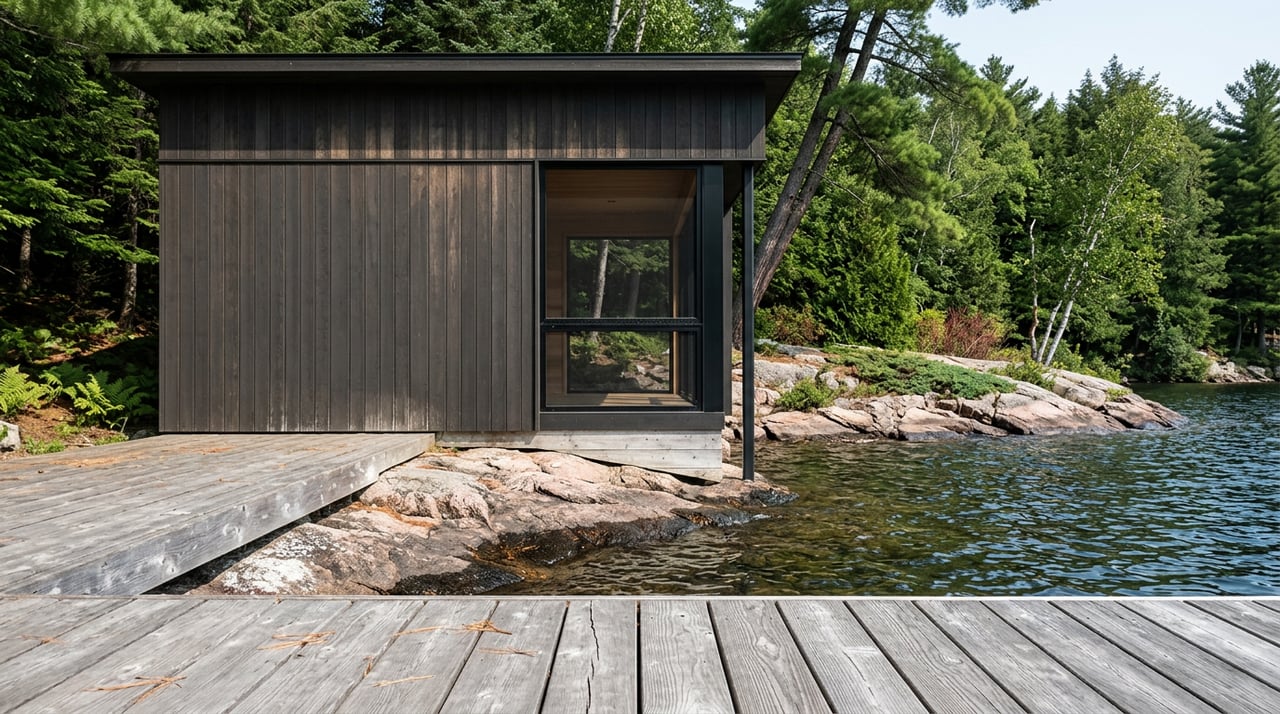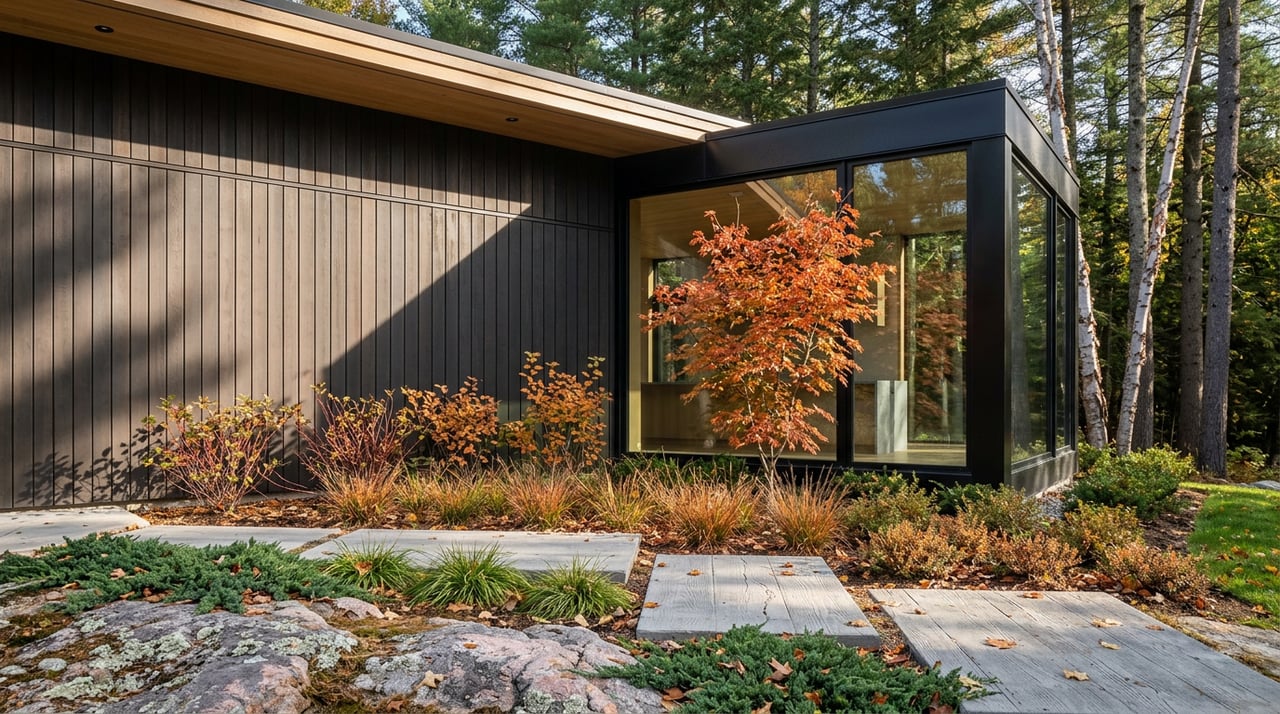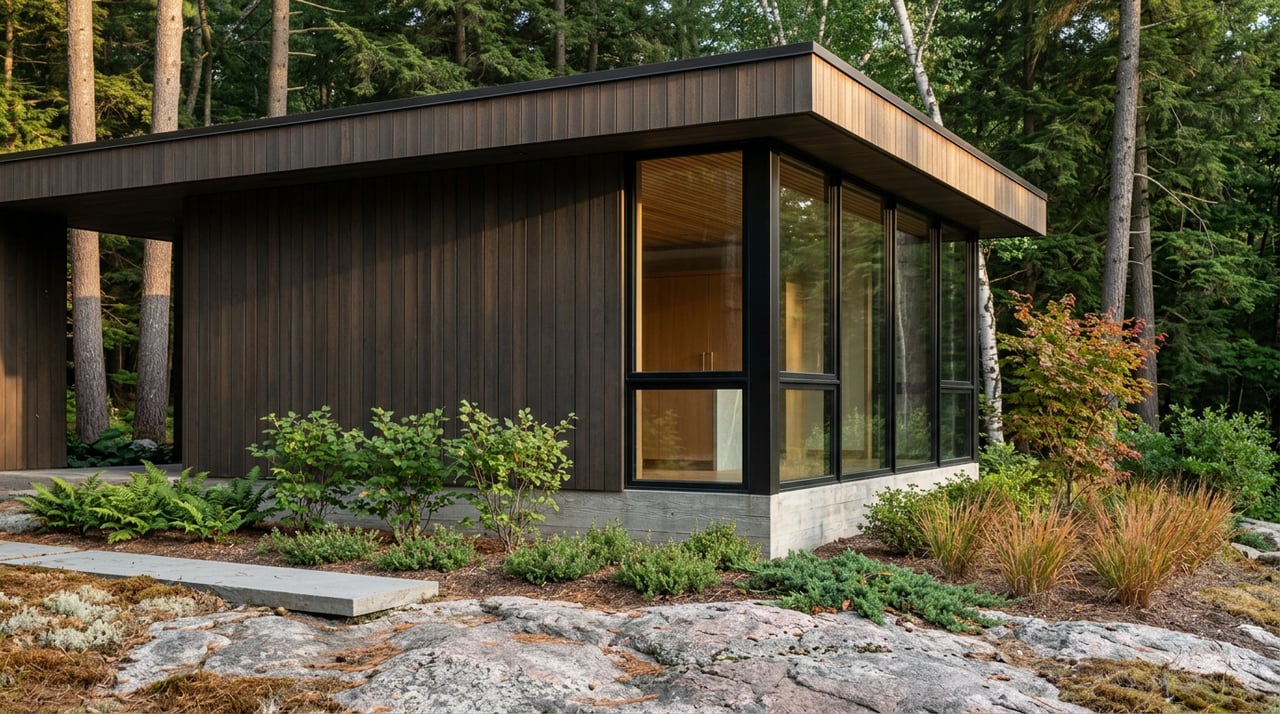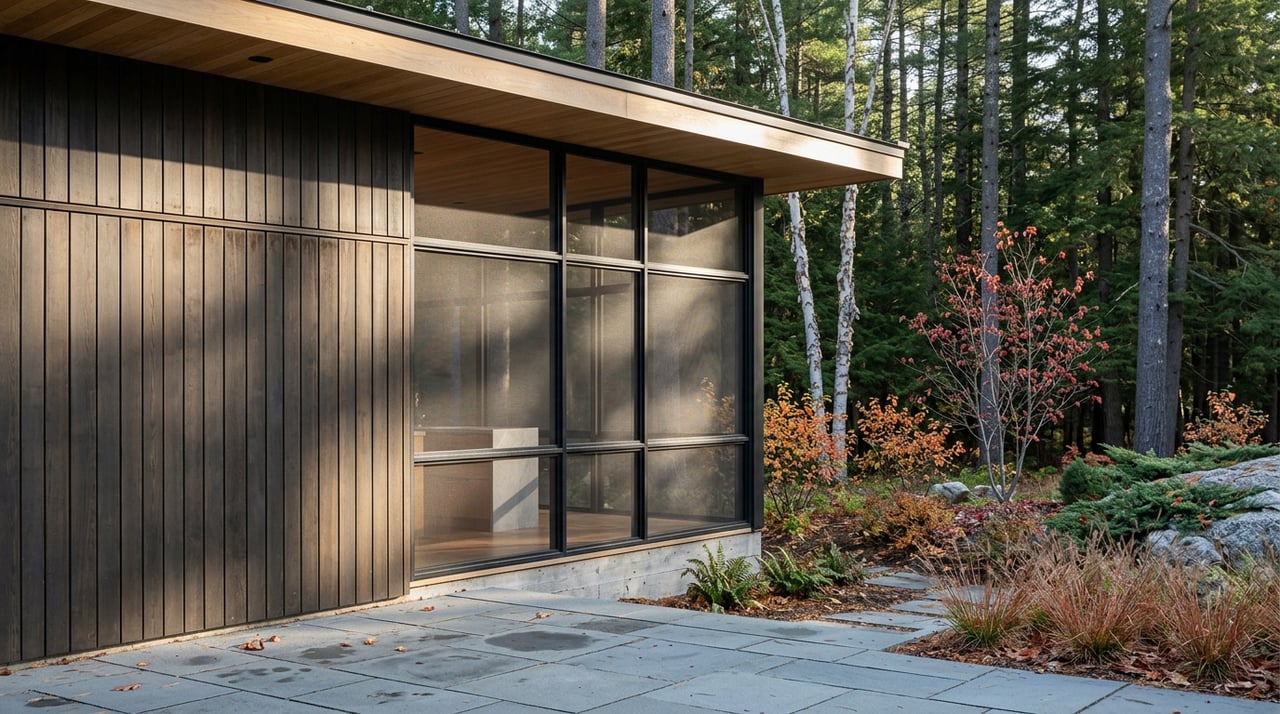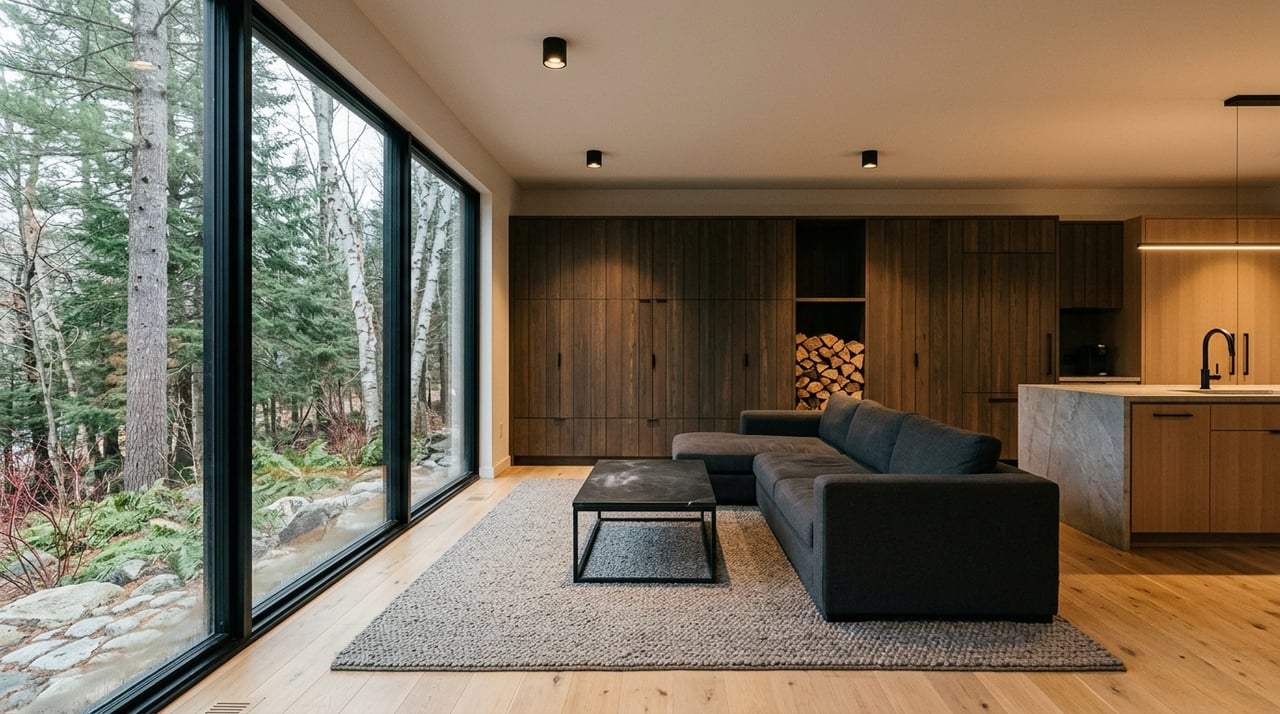
What separates a beautiful Muskoka cottage from a truly rental-ready one? In this market, it is not just the view or the finishes. It is whether the home works just as well for a summer lake week as it does for a snowy weekend or a shoulder-season family stay. If you are designing, renovating, or buying with short-term rental potential in mind, the right decisions early can protect both guest experience and long-term value. Let’s dive in.
Design for Four-Season Use
Muskoka is a four-season destination, with official tourism materials highlighting boating, beaches, trails, fishing, golf, winter activities, and family attractions. That matters because your cottage needs to perform beyond peak summer.
A rental-ready layout should feel comfortable in every season. In practical terms, that means reliable heating and cooling, easy transitions from outdoors to indoors, and durable spaces that can handle wet towels in July and snowy boots in January.
Plan Sleeping for Real Guest Use
In a market shaped by family and group travel, a flexible sleeping plan often makes more sense than one oversized primary suite. A strong setup is usually one primary bedroom, one or two secondary bedrooms, and at least one bunk room or flex sleeping space.
This approach also supports how many Muskoka municipalities review short-term rentals. Bedroom counts and sleeping areas are not just design ideas. They are part of the documentation process in local STR applications.
Build in Better Circulation
A luxury cottage should feel effortless to use. Guests should be able to move easily from the parking area to the entry, then into the kitchen, sleeping spaces, and outdoor zones without awkward bottlenecks.
That is why a generous mudroom or arrival area matters so much in Muskoka. It gives you a place for coats, boots, towels, bags, and outdoor gear before they spread through the rest of the house.
Make the Floor Plan Documentation-Ready
Across Muskoka, short-term rental licensing is active, and municipalities commonly require plans, inspections, and supporting documents. Huntsville, Bracebridge, Lake of Bays, and Gravenhurst all require some combination of floor plans, site plans, or related materials as part of licensing.
That means your design should be clear on paper before it is ever tested by guests. A simple, legible plan is not only easier to furnish and operate. It is also easier to document for approvals and inspections.
Separate Guest and Owner Storage
One of the smartest design moves is to create a clear divide between guest-accessible space and owner storage. Locked storage for supplies, personal items, seasonal decor, and maintenance equipment helps keep the cottage tidy and protects the guest experience.
It also supports a cleaner floor plan and a more professional setup. When everything has a place, turnovers are easier and the home feels more intentional.
Do Not Rely on Extra Sleeping Cabins
Many buyers assume they can add sleeping capacity with a bunkie, trailer, or another accessory structure. In Muskoka, that can be a costly assumption.
Gravenhurst prohibits sleeping cabins, trailers, tents, barns, garages, and sheds from being the rented structure. Muskoka Lakes also says short-term rentals cannot operate from non-habitable spaces, motor vehicle trailers, vessels, or community housing. If rental use is part of your strategy, your main dwelling should carry the sleeping plan.
Start With Septic Capacity
Septic design should be part of the earliest planning conversation, not a last-minute check. Huntsville notes that septic systems under 10,000 litres per day must comply with the Ontario Building Code, and an average three- to four-bedroom house is rated at 2,000 litres per day.
More importantly, systems must be built for the home’s maximum use, not for occasional low occupancy. If you want a larger guest count, more bathrooms, or a more flexible sleeping mix, septic capacity can shape what is realistically possible.
Match Bedroom Count to Infrastructure
It is easy to get excited about adding bunks, a den, or another guest room. But every sleeping decision should be checked against septic capacity and local requirements first.
The safest sequence is straightforward: confirm zoning, confirm septic capacity, confirm short-term rental rules, and then finalize the bedroom count, bath count, and outdoor amenity package. That order can save time, money, and redesign work later.
Prioritize Amenities Guests Actually Search For
Luxury in a rental setting is not only about statement materials. It is also about delivering the basics extremely well.
Airbnb’s 2024 search data lists pool, wifi, free parking, air conditioning or heating, kitchen, hot tub, washer or dryer, self check-in, TV or cable, and BBQ grill among the most searched amenities globally. For a Muskoka cottage, that makes a strong case for investing in the everyday features guests notice most.
Focus on Invisible Essentials
Fast, reliable wifi should be near the top of your list. So should strong heating and cooling, a full kitchen, practical laundry, and enough storage for linens and cleaning supplies.
These may not be the most photogenic parts of the design, but they shape reviews and repeat bookings. In a region built around boating, beaches, trails, and winter recreation, guests also need spaces that can handle damp gear, frequent laundry, and quick turnover between stays.
Add Family and Longer-Stay Features
If you want to appeal to longer bookings or work-from-cottage stays, Airbnb highlights features such as fast wifi, a dedicated workspace, good lighting, and basic office supplies. These details can make a shorter weekend property feel much more versatile.
If your target guest profile includes families, practical add-ons can also improve usability. Items such as a high chair, travel crib, baby gates, extra cleaning supplies, pet bowls, and towels for wiping paws can reduce friction and make the home feel thoughtfully equipped.
Design Safety Into the Plan
Safety features should never feel tacked on. In a rental-ready cottage, they need to be considered early, especially when mechanical systems and bedroom layout are still being planned.
Airbnb recommends smoke and carbon monoxide alarms in fuel-burning spaces, along with a fire extinguisher and first-aid kit. Ontario cottage fire guidance says every home or cottage should have working smoke alarms on every storey and outside sleeping areas, with testing at least monthly or each time the property is returned to.
Coordinate Carbon Monoxide Alarm Placement
Ontario’s Fire Code tightened carbon monoxide alarm placement rules effective January 1, 2026. For cottages with fuel-burning appliances, fireplaces, attached garages, or certain forced-air heating setups, alarm locations need to be coordinated carefully.
That makes the mechanical plan and bedroom layout closely connected. If you are still choosing between fireplace locations, bedroom wings, or garage configuration, this is the stage to think through alarm placement before finishes are finalized.
Treat Outdoor Space Like Part of the Product
In Muskoka, guests are often booking the outdoor experience as much as the house itself. The site plan matters, and municipalities may require parking, buildings, docks, fire pits, septic elements, and other site features to be shown as part of STR-related documentation.
A strong exterior program should feel easy to understand from the moment guests arrive. That means no confusion about where to park, where to unload, where to gather, and where to store equipment.
Create Clear Outdoor Zones
A well-designed rental cottage often includes a defined arrival zone, covered or screened seating, a fire-pit area, a dockside gear zone, and durable storage for paddles, life jackets, skis, and wet towels. These spaces support the way people actually use a Muskoka property.
They also help preserve the interior. When outdoor living is thoughtfully organized, you reduce wear, clutter, and cleanup pressure inside the home.
Reduce Friction on Turnover Day
Guest experience is shaped by small details. Clear parking instructions, a simple house manual, and easy-to-follow garbage and recycling directions can make arrivals smoother and departures easier.
This is especially important because local municipalities may review waste-disposal planning as part of STR operations. A luxury stay should feel calm and intuitive, not dependent on guests figuring things out on their own.
Think Compliance Before Aesthetics
A design-forward cottage can absolutely be both beautiful and high-performing. But in Muskoka, the most successful rental-ready homes are usually compliance-first as well.
Bracebridge, Gravenhurst, Huntsville, Lake of Bays, and Muskoka Lakes all have active short-term rental licensing programs. Their processes commonly involve zoning review, plans, inspections, waste planning, parking review, and complaint enforcement.
Build the Business Case Early
Several municipalities also collect a 4% Municipal Accommodation Tax on short stays. If rental income is part of your ownership plan, that should be built into your financial model from day one.
The bigger point is simple: the design brief should reflect the operating reality. A rental-ready luxury cottage in Muskoka is not just a stylish retreat. It is a four-season, gear-friendly, easy-care property designed around real guest use and a live regulatory framework.
If you are weighing a purchase, renovation, or ground-up build in Muskoka, the right advice can help you balance design, usability, and resale potential from the start. For thoughtful guidance on luxury cottage properties and rental-minded opportunities, connect with Ryan Harkin.
FAQs
What makes a Muskoka cottage rental-ready?
- A rental-ready Muskoka cottage is typically designed for four-season use, flexible sleeping, strong storage, reliable heating and cooling, practical laundry, and outdoor spaces that are easy for guests to use and maintain.
Why does septic capacity matter for a Muskoka rental cottage?
- Septic capacity can affect how many bedrooms and guests a property can realistically support, and local guidance notes systems should be designed for the residence’s maximum use rather than occasional low occupancy.
Can you rent out a bunkie or accessory sleeping structure in Muskoka?
- Not always. Gravenhurst prohibits several accessory structures from being the rented structure, and Muskoka Lakes says short-term rentals cannot operate from non-habitable spaces, trailers, or vessels.
Which amenities matter most in a luxury rental cottage?
- Highly searched amenities include wifi, free parking, heating and cooling, a kitchen, laundry, a hot tub, self check-in, TV, and a BBQ, with reliable basics often shaping guest satisfaction just as much as premium extras.
Why should outdoor spaces be planned carefully in Muskoka?
- Outdoor areas are central to the guest experience, and local STR documentation may require details such as parking, docks, fire pits, and other site features to be shown clearly.
Are short-term rental rules active across Muskoka?
- Yes. Major Muskoka municipalities including Bracebridge, Gravenhurst, Huntsville, Lake of Bays, and Muskoka Lakes all have active short-term rental licensing programs with local requirements that should be checked before finalizing a design.