What makes a Muskoka cottage listing stand out when buyers are scrolling from Toronto or farther away? In a market shaped by lake life, design, and destination appeal, standard listing copy often falls flat. If you want to attract serious attention and support a stronger sale, design-forward marketing can help buyers feel the property before they ever arrive. Let’s dive in.
Why Muskoka marketing needs a different approach
Muskoka is not just another housing market. Local and provincial tourism sources consistently present the region as a destination built around lakes, rocky shorelines, boating, wildlife, and year-round recreation.
That matters when you sell a cottage. Buyers are not only comparing bedrooms, bathrooms, and square footage. They are also imagining mornings on the dock, weekends with guests, and how the property fits into a four-season lifestyle.
In practical terms, that means your marketing should feel closer to destination storytelling than a standard suburban listing. The goal is to show not just what the property is, but how it lives.
Why first impressions happen online
For many buyers, the showing starts long before they step onto the property. According to the National Association of Realtors 2024 Profile of Home Buyers and Sellers, 43% of buyers said their first step was to search online, 69% used a mobile or tablet device, and 51% found their home through an internet search.
The same research shows what helps buyers engage with a listing. Photos were rated very useful by 41% of buyers, detailed property information by 39%, and floor plans by 31%.
That is especially relevant in Muskoka. With the region roughly two hours from Toronto, many cottage buyers may be screening properties remotely before deciding which homes are worth a visit.
Canadian data supports that shift. CMHC’s 2024 Mortgage Consumer Survey found that 50% of respondents were comfortable completing the entire homebuying process online, and 62% were comfortable sharing mortgage information virtually.
If your listing package is thin, buyers may move on before booking a tour. If it is polished, clear, and well-structured, you give them more reasons to stay engaged.
What design-forward marketing really means
Design-forward marketing is not about making a cottage look trendy or overly produced. It is about presenting the property with enough clarity and intention that buyers can understand its design, setting, and lifestyle value.
For Muskoka sellers, that usually means a visual package built around professional photography, strong property descriptions, floor plans, video, and a clean digital presentation. Each piece should work together to tell one credible story.
That story should feel refined but honest. Research on staging found that many buyers expect homes to look polished, but they are also disappointed when a property does not match the marketing.
The best result is a listing that feels aspirational without feeling artificial. Buyers should arrive and feel that the home is exactly what they were promised.
Start with the spaces buyers feel first
Presentation changes how buyers see a property. NAR’s 2025 Profile of Home Staging found that 83% of buyers’ agents said staging made it easier for buyers to visualize a property as a future home.
That matters even more in a cottage setting, where emotion often drives interest. Buyers want to picture themselves arriving on a Friday evening, hosting family, or waking up to a lake view.
The most commonly staged rooms in NAR research were the living room, primary bedroom, and dining room. In a Muskoka cottage, those spaces often carry the emotional core of the home.
Focus on gathering spaces
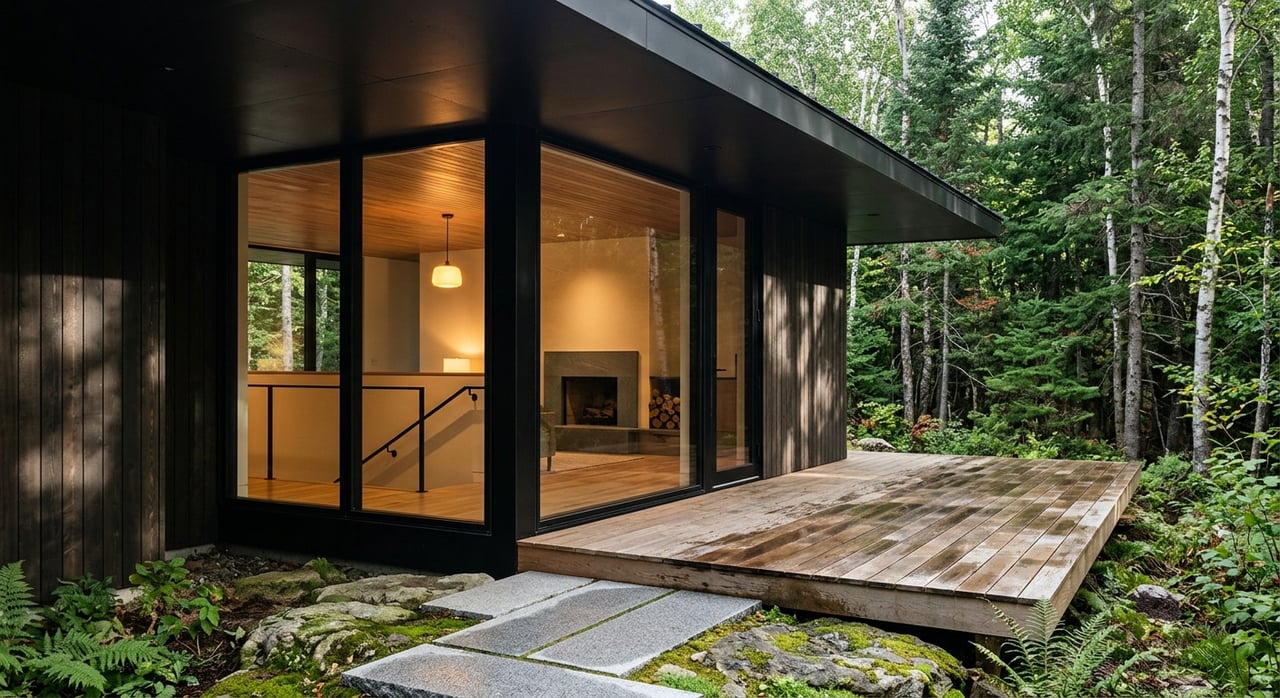
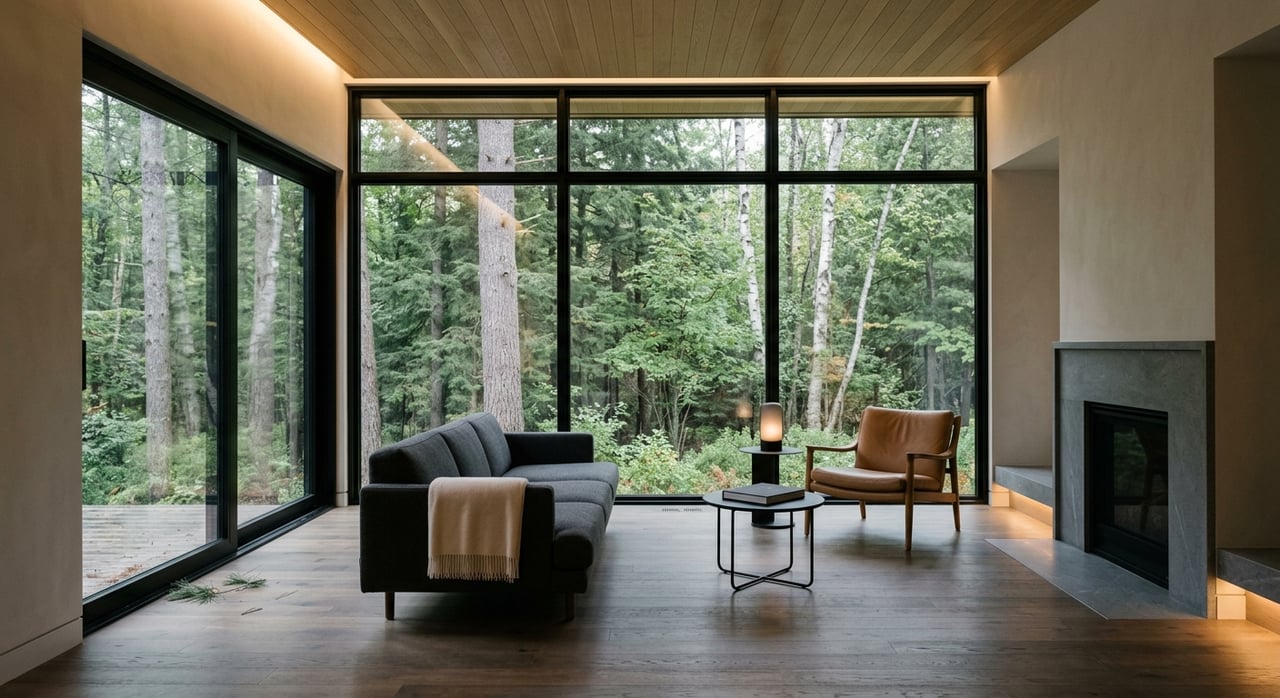
The living room often does the heaviest lifting in cottage marketing. It is where buyers read the mood of the home, whether through a fireplace, a wall of windows, or the connection to the deck and waterfront.
If the room feels calm, open, and usable, buyers can picture themselves there. If it feels crowded or undefined, they may struggle to connect.
Prioritize the primary bedroom
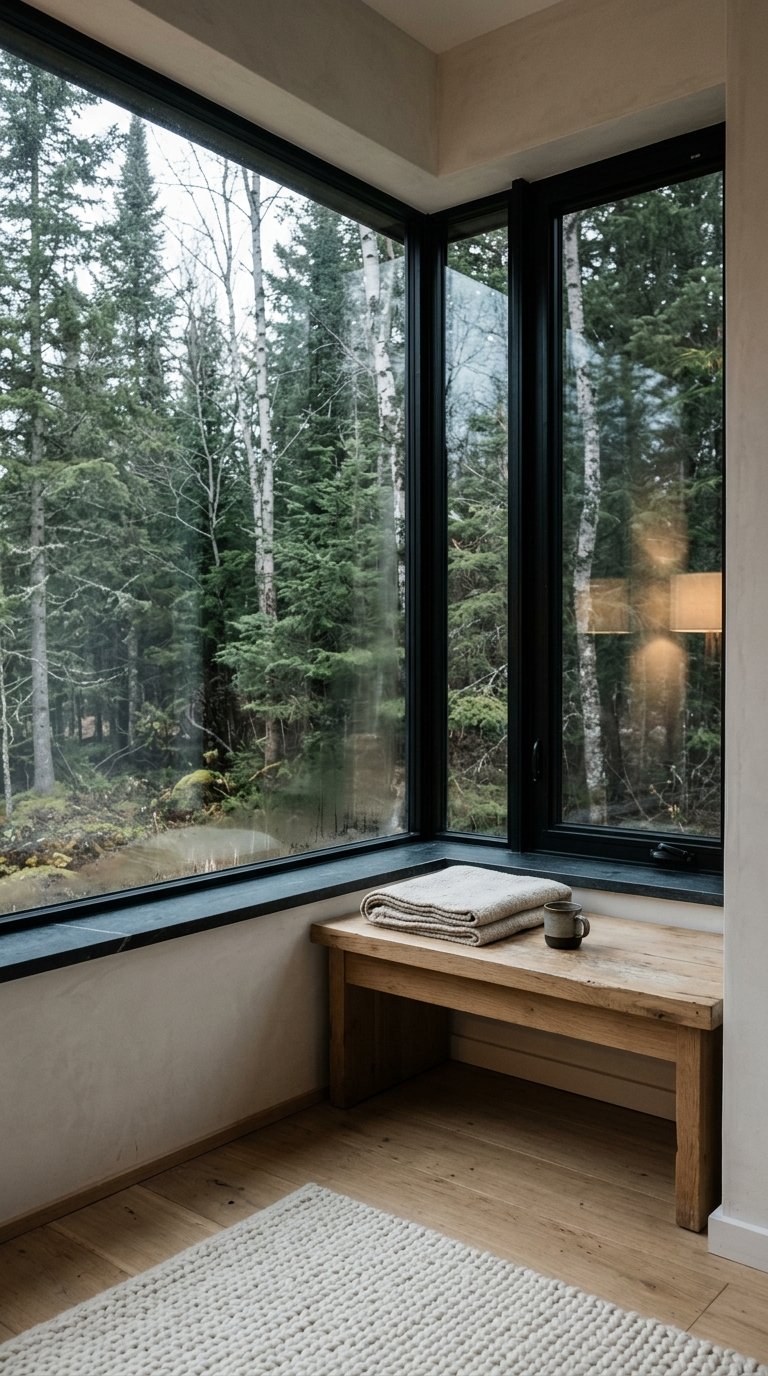
The primary bedroom helps buyers imagine retreat and comfort. In a second-home setting, that room often represents privacy, quiet, and a slower pace.
Simple styling, clean sightlines, and attention to light can go a long way. The goal is not to overfill the space, but to let buyers understand how it feels to wake up there.
Support dining and kitchen flow
Cottage buyers also respond to spaces built for gathering. Depending on the layout, that may be a dining room, a large kitchen, or an open-concept area that connects cooking, eating, and lounging.
These are the rooms where buyers imagine holidays, long weekends, and casual meals after a day on the water. Strong marketing should make that use case easy to see.
Tell the shoreline story clearly
In Muskoka, the amenity story is often inseparable from the water. Official Ontario travel content describes the Muskoka Lakes as granite-lined waterways connected to boating culture, summer homes, and established lake destinations like Port Carling.
That means waterfront details should never be buried low in the description. They should be translated clearly and specifically through images, copy, and layout.
Buyers want to understand how the property meets the lake. They also want a realistic picture of how they will use it.
Show arrival to waterfront sequence
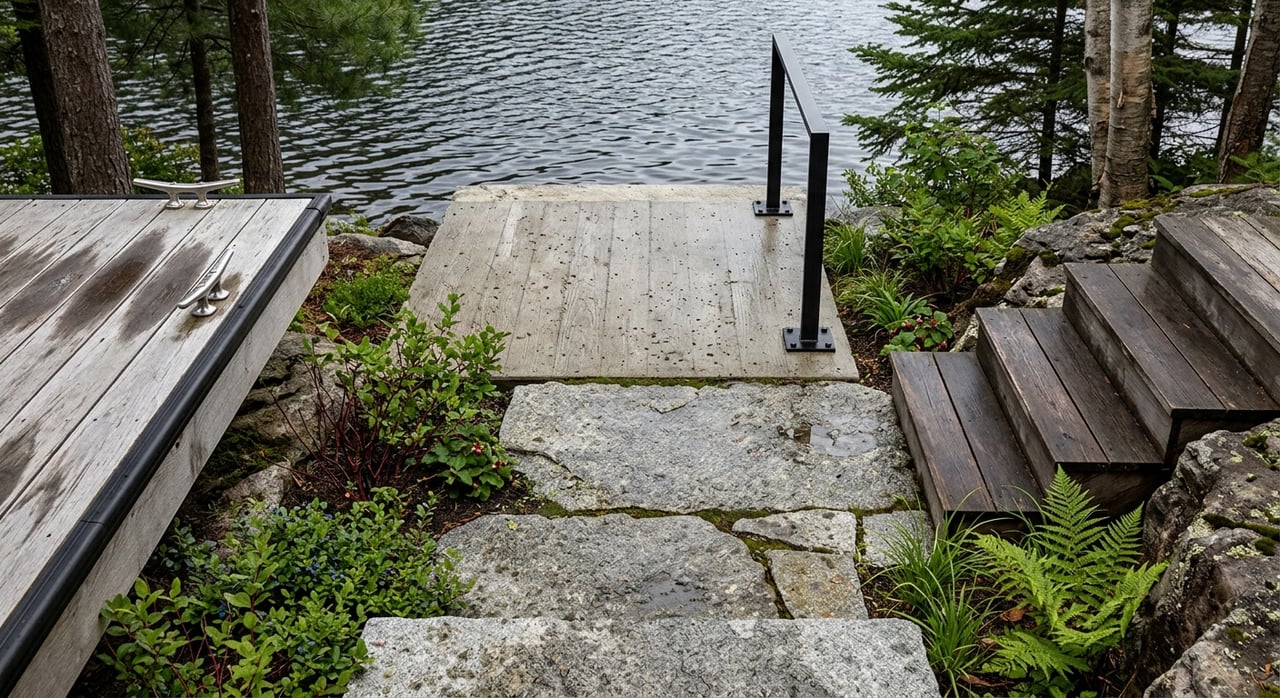
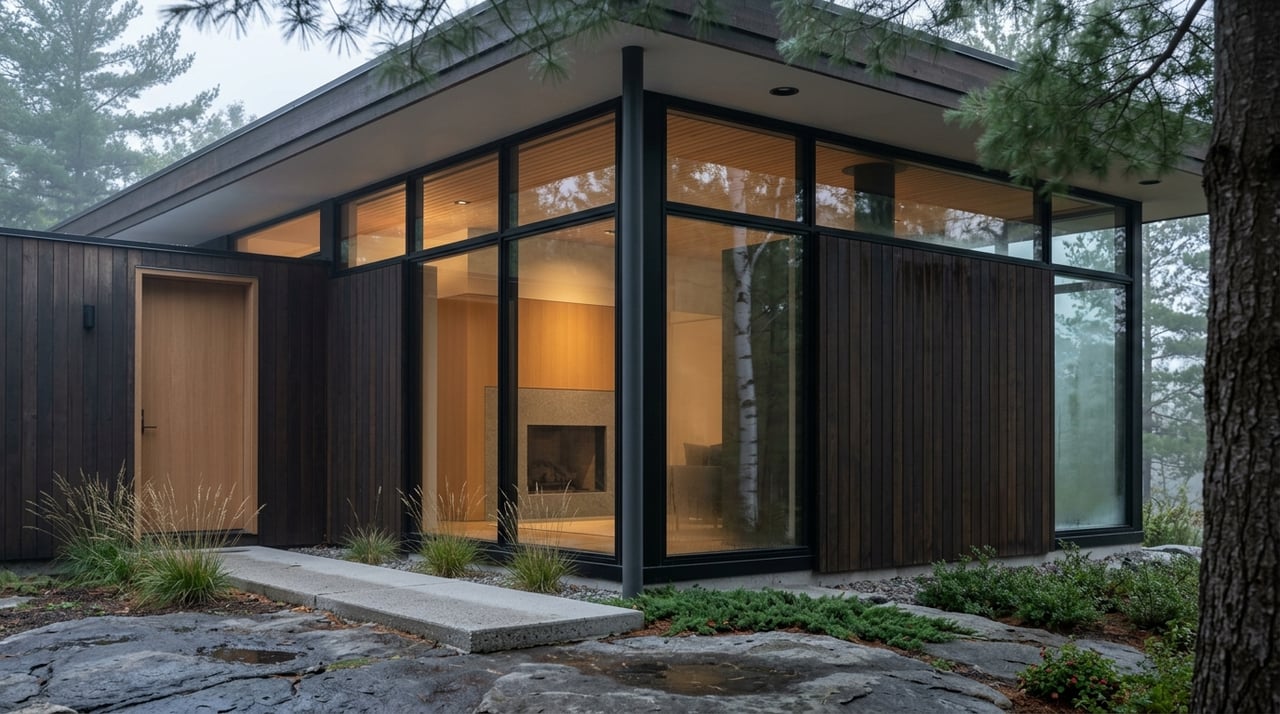
A strong listing should guide buyers through the property in the way they would experience it in person. That often starts with the approach, then the first interior impression, then the view, and finally the dock, boathouse, or shoreline access.
This sequence helps remote buyers orient themselves. It also builds anticipation in a natural way.
Be specific about usable features
Amenity claims should stay factual and easy to verify. Instead of broad lifestyle language alone, strong cottage marketing should clearly explain features like shoreline access, dock setup, boathouse presence, lake orientation, and indoor-outdoor flow.
If the property supports winter access or shoulder-season use, that should be explained clearly too. Specificity builds confidence.
Market the cottage as a four-season property
Muskoka’s official tourism positioning is not limited to summer. Regional tourism sources highlight year-round trails, stargazing, arts and culture, cruises, breweries, wineries, and winter-friendly outdoor experiences.
For sellers, that opens up a broader story. A well-marketed cottage can be positioned as more than a warm-weather retreat.
If your property supports multiple seasons, your marketing should reflect that. Buyers may be looking for fall weekends, winter holidays, or longer stays that extend beyond peak boating months.
Highlight year-round usability
If the cottage has features that support four-season enjoyment, they should be part of the visual and written story. That may include practical access, heating comfort, gathering spaces for colder months, or a layout that works for longer stays.
This does not mean stretching the facts. It means helping buyers understand the property’s full range of use.
Connect to nearby Muskoka experiences
A cottage does not exist in isolation. Official tourism sources for Muskoka highlight boating, trails, golf, steamship cruises, arts and culture sites, and other regional attractions.
That broader context can strengthen a listing when it is handled carefully. You are not selling a promise of everything in the region. You are helping buyers understand the lifestyle ecosystem around the property.
Why a microsite can strengthen your listing
A premium Muskoka property often needs more room than a standard listing can provide. That is where a dedicated property microsite can be useful.
A microsite gives buyers one place to view photography, floor plans, video, map context, and amenity details in a more intentional sequence. It also allows the story to unfold with less clutter.
This approach mirrors how Muskoka’s tourism organizations present destinations through images, descriptions, maps, and themed content. For cottage sellers, that structure makes sense because it supports the way buyers actually research lifestyle purchases.
What a strong microsite includes
A design-forward property microsite should be selective, not overloaded. In most cases, the strongest package includes:
- Professional photography
- Detailed property information
- Floor plans
- Video or cinematic walkthrough content
- Clear waterfront and amenity callouts
- Seasonal context when relevant
When these pieces are organized well, buyers can move from curiosity to confidence faster.
Better marketing supports seller goals
For most sellers, presentation is not just about aesthetics. It supports real outcomes.
NAR’s 2024 seller research found that sellers most valued help marketing the home, pricing it competitively, and selling within a specific timeframe. A stronger visual and digital package directly supports those goals by helping the right buyers engage earlier and more seriously.
Staging research adds another layer. NAR found that 20% of buyers’ agents said staging increased the dollar value offered by 1% to 5%, and sellers’ agents reported a median spend of $600 when using a staging service.
That does not mean every cottage needs a major production. It means thoughtful presentation can shape perception, improve buyer understanding, and make your listing more competitive.
What Muskoka sellers should expect now
Today’s cottage buyers are informed, visual, and often remote-first at the start of their search. They want enough detail to decide whether a property deserves their time.
In Muskoka, that means your listing should do more than announce availability. It should communicate design, setting, waterfront use, and seasonal lifestyle in a way that feels polished and believable.
When that work is done well, your property can stand apart for the right reasons. You help buyers connect emotionally, understand the offering clearly, and arrive with stronger intent.
If you are preparing to sell a Muskoka cottage and want a more thoughtful, design-led strategy, connect with Ryan Harkin for a tailored valuation and marketing plan.
FAQs
What is design-forward marketing for a Muskoka cottage?
- Design-forward marketing presents your cottage through professional visuals, detailed information, floor plans, and lifestyle storytelling so buyers can better understand the property before visiting.
Why do Muskoka cottage listings need strong photography?
- Buyer research shows photos are one of the most useful listing features, and Muskoka buyers often screen properties online before deciding which cottages to tour in person.
How does staging help sell a Muskoka cottage?
- Staging helps buyers visualize how the cottage could live day to day, especially in key spaces like the living room, primary bedroom, and main gathering areas.
What should a Muskoka cottage listing highlight most?
- The strongest listings clearly show the arrival experience, lake view, shoreline or dock access, indoor-outdoor flow, guest space, and any features that support four-season use.
What is a property microsite for a Muskoka cottage sale?
- A property microsite is a dedicated digital page that brings together photos, floor plans, video, property details, and amenity context in one organized place.
Can four-season storytelling help market a Muskoka cottage?
- Yes. If the property supports use beyond summer, clear four-season marketing can help buyers see more value in the cottage and how it fits their lifestyle across the year.